
Choosing between a multi-level and single-level deck is one of the biggest decisions homeowners face…
Create Stunning Outdoor Spaces with Multi-Tiered Deck Designs
There’s something special about a backyard deck that goes beyond a simple flat platform. Multi-level decks transform outdoor spaces into something more interesting and functional, creating distinct areas for dining, lounging, and entertaining. Whether you’re working with a sloped property or simply want to add visual appeal to a flat yard, multi-level deck designs offer endless possibilities for making the most of your outdoor living space.
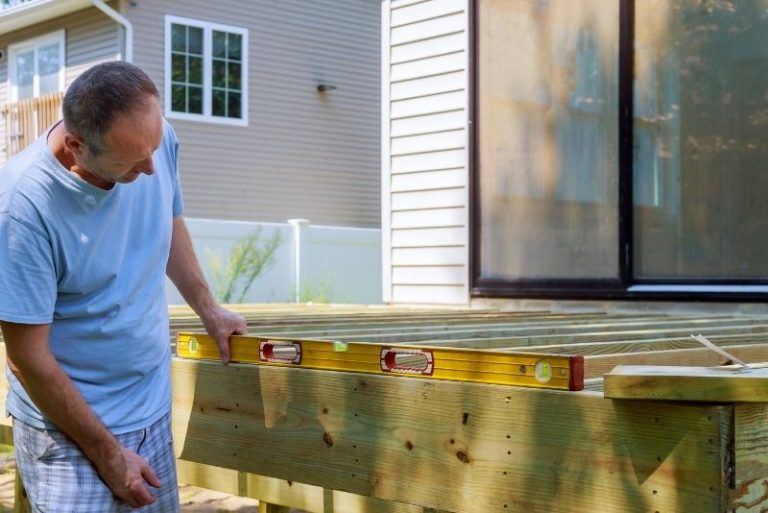
Why Multi-Level Decks Are Perfect for Sloped Yards and Modern Outdoor Living
If your backyard has a slope, you already know the challenges it presents. Multi-level decks are actually the perfect solution for uneven terrain. Instead of expensive earthworks to flatten your yard, a tiered deck works with the natural contours of your property. This approach is not only more cost-effective but also creates a more natural, integrated look.
Beyond solving slope issues, multi-level decks bring real lifestyle benefits. They naturally divide your outdoor space into zones without needing walls or screens. You might have an upper level for dining that flows from your kitchen, while a lower level becomes a cozy seating area around a fire pit. This separation creates intimacy and purpose in each space, making your deck more functional for everyday living and entertaining.
The elevation changes also mean better views. Even a modest step up can provide a new perspective of your garden or the surrounding landscape.
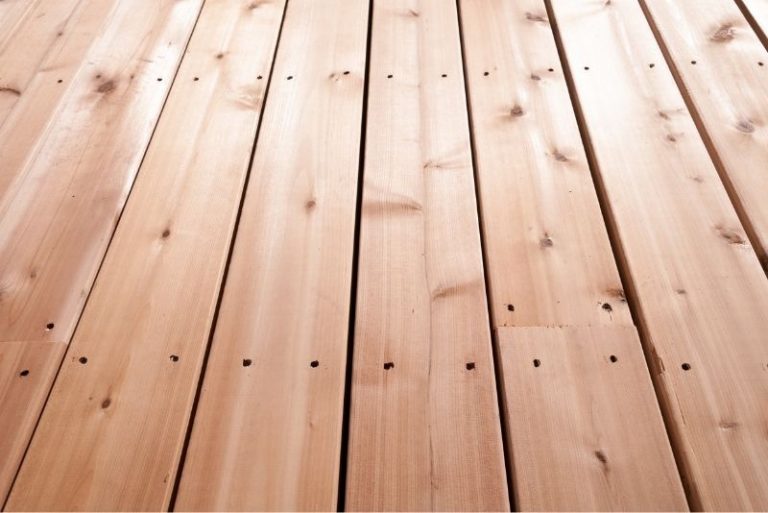
Popular Multi-Level Deck Layouts: From Simple Two-Tier to Complex Terraced Designs
The simplest multi-level design is a two-tier deck. This typically features a main entertaining area connected to a secondary space by a few steps. It’s perfect for homeowners who want dimension without overwhelming their yard or budget. Many people use the upper tier for dining and the lower level for a hot tub or lounge area.
Three-level decks offer even more versatility. Decking Experts often recommend this layout for homes with steeper slopes or larger yards. You might have a top level of the house, a mid-level for dining or cooking, and a lower level that leads into the garden. Each level feels like its own outdoor room.
For properties with significant elevation changes, terraced designs cascade down the landscape in multiple tiers. These dramatic decks can include five or more levels, each stepping down naturally. While more complex to build, terraced decks create a stunning visual impact and make otherwise unusable sloped yards fully functional.
Creating Visual Interest with Height Transitions and Built-In Features
The real magic of multi-level decks comes from how you handle the transitions between levels. Wide, shallow steps can double as casual seating during parties. Built-in benches along level changes provide seating without cluttering the deck with furniture. Planters incorporated into the steps soften the structure and bring greenery into the design.
Railings also play a key role in multi-level designs. Glass panels maintain sight lines between levels, while horizontal cable railings offer a modern look without blocking views. Traditional vertical balusters can define spaces more clearly if you want more separation between areas.
Lighting transforms multi-level decks at night. Recessed lights in stair risers make levels safe to navigate after dark while creating a beautiful ambient glow. Post cap lights and under-rail lighting highlight the deck’s architecture and make the entire space more inviting.
Material Choices That Enhance Your Multi-Level Design
Your material choice affects both the look and maintenance of your multi-level deck. Composite decking has become increasingly popular because it holds up well with minimal maintenance. It comes in various colours and textures, letting you create a visual distinction between levels. You might use a darker shade for stairs and borders with a lighter colour for main deck surfaces.
Traditional timber offers natural beauty and can be more budget-friendly upfront. Hardwoods like merbau or spotted gum are popular choices that age beautifully, though they require regular maintenance. For multi-level designs, consistent materials across all levels create a cohesive look, while mixing materials can define different zones.
The framing and structure matter just as much as the decking boards. Multi-level decks require solid engineering, especially on sloped sites.
Planning Your Multi-Level Deck: Budget, Permits, and Professional Considerations
Multi-level decks are more complex than single-level platforms, which affects both cost and timeline. Expect to invest more in materials and labour, but remember you’re creating multiple functional spaces rather than one flat area. The return on investment, both in enjoyment and property value, often justifies the additional expense.
Before breaking ground, check your local council requirements. Most areas require permits for decks, especially elevated structures. The approval process can take several weeks, so factor this into your planning.
Working with experienced professionals makes a real difference with multi-level designs. The structural engineering, proper footing placement, and level transitions require expertise.

Ready to Transform Your Outdoor Space?
Multi-level decks turn ordinary backyards into extraordinary outdoor living areas. Whether you’re dealing with a challenging slope or simply want to create more interesting spaces for your family, a well-designed multi-level deck delivers functionality and style. Decking Gold Coast Experts can help you explore design options that work with your property, lifestyle, and budget. Contact them today for a consultation and start planning the deck that will transform how you enjoy your outdoor space.

